Eluria特色体验献上奢华、优雅和精致 - 与迪奥美容相伴的一天
十月 24, 2023


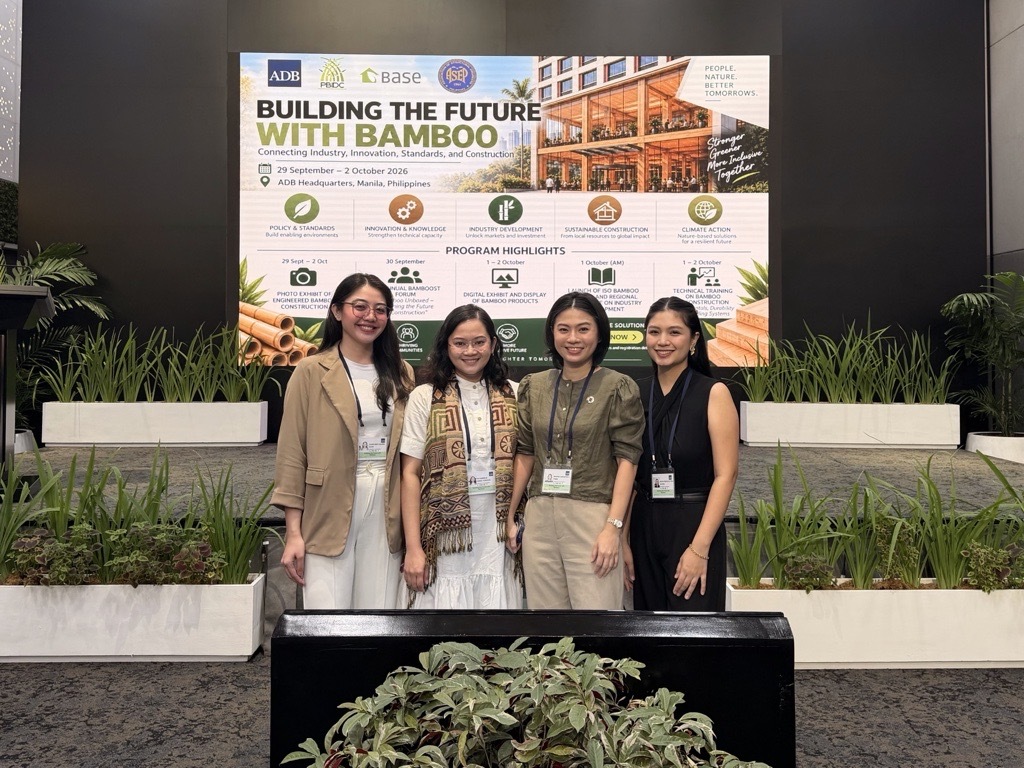
ARTHALAND, the country’s foremost green developer, showcased the potential of bamboo in sustainable construction through Project BEAM (Bamboo for Ecological Architecture and Materials) at the Asian Development Bank’s (ADB) Building the Future with Bamboo: Connecting Industry, Innovation, Standards, and Construction exhibition. The event brought together representatives from government, industry, and technical institutions to discuss the use of bamboo in construction, the development of local supply chains, and opportunities to support Filipino livelihoods.
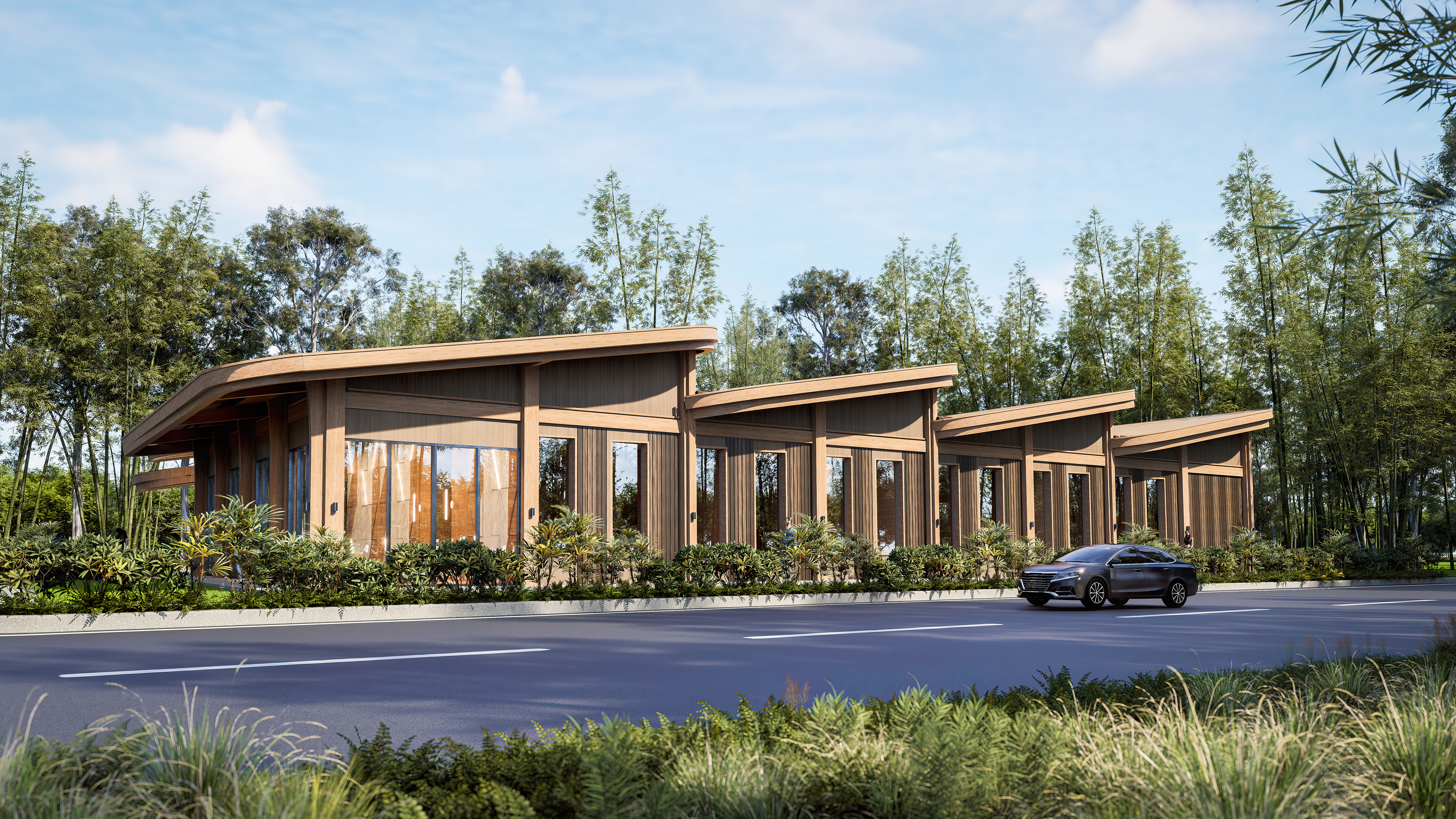
Project BEAM, located in ARTHALAND’s Sevina Park development in Laguna, is the Philippines’ first commercial-scale bamboo structure. The 600-square-meter retail building uses Philippine-sourced glued laminated (glulam) bamboo as a key structural material. Designed to serve as a clinic, the project demonstrates the use of locally sourced bamboo in a commercial building. The structure is set to undergo structural and fire performance testing aligned with ASTM D5456 and ASTM E84, respectively, to assess its performance and support the use of engineered bamboo in construction.
“Through Project BEAM, we are putting engineered bamboo into practice and exploring its potential as a construction material. Working with partners such as BASE Bahay Foundation allows us to draw on technical expertise and contribute to the development of more sustainable building solutions for the Philippines,” said Kristina Samantha Pobre, Head of Sustainability at ARTHALAND.
BASE Bahay Foundation, Inc. is a Philippine nonprofit organization initiated by the Hilti Foundation. It conducts research and develops alternative building technologies, with a focus on bamboo and other regenerative, low-carbon construction materials. The partnership supports efforts to expand knowledge of engineered bamboo and demonstrate its application in actual building projects.
Collaboration among the public and private sectors is important to advancing sustainable construction, from strengthening local bamboo supply chains to developing the technical knowledge and standards needed for greater industry adoption. Bamboo is a renewable resource that can help reduce the embodied carbon of construction, depending on how it is sourced, processed, transported, and used. Greater adoption of engineered bamboo could also create opportunities for local producers and workers while supporting the development of the Philippine bamboo industry.
Other exhibitors presented bamboo-based products, including bicycles, yarn, musical instruments, and other innovations, highlighting the material’s potential across different industries.
The event also featured policy talks on legislative efforts to strengthen the bamboo industry, particularly through amendments to Republic Act No. 7900, or the High-Value Crops Development Act of 1995. The House Committee on Agriculture and Food, chaired by Quezon Rep. Wilfrido Mark Enverga, recently approved a substitute bill consolidating House Bill No. 11189, authored by Cagayan de Oro City Rep. Rufus Rodriguez, and House Bill No. 11486, authored by Bukidnon 1st District Rep. Jose Manuel Alba. The proposed measure seeks to recognize bamboo as both a high-value and industrial crop and institutionalize the National High-Value Crops Development and Bioeconomy Program. It also provides a dedicated bamboo development component covering the entire farm-to-industry ecosystem, supporting the growth of bamboo agriculture and its wider use in construction and other industries.
The discussions underscored the importance of translating sustainability policies into actual practices in the built environment. In his speech, House Speaker Faustino “Bojie” Dy III cited ARTHALAND's Sevina Park as an example of how sustainable development principles can be put into practice. Located in Laguna, Sevina Park is an 8.1-hectare master-planned community designed by Sasaki Associates, with 60% of its area allocated to green spaces and open areas. It is the first development of its kind to achieve Platinum certification under both LEED for Neighborhood Development and LEED for Homes.
The exhibition also served as the launch of the Manual for the Design of Bamboo Structures to ISO 22156:2021. The manual was authored by David Trujillo of the University of Warwick, Kent Harries of the University of Pittsburgh, Sebastian Kaminski of Arup, and Luis Felipe Lopez of BASE Bahay Foundation. It provides guidance on the design of bamboo structures in accordance with the international standard.
Through Project BEAM and its work with industry partners, ARTHALAND continues to explore ways to incorporate sustainable materials into property development and support the adoption of lower-carbon construction practices in the Philippines.
To learn more about ARTHALAND and Project BEAM, call +63 917 772 7842, email ask@arthaland.com, or visit arthaland.com/sustainability/project-beam.
十月 24, 2023
八月 18, 2026
十月 16, 2023
三月 13, 2025
四月 14, 2026
十二月 2, 2024
二月 25, 2025
十月 31, 2023
十一月 20, 2024